


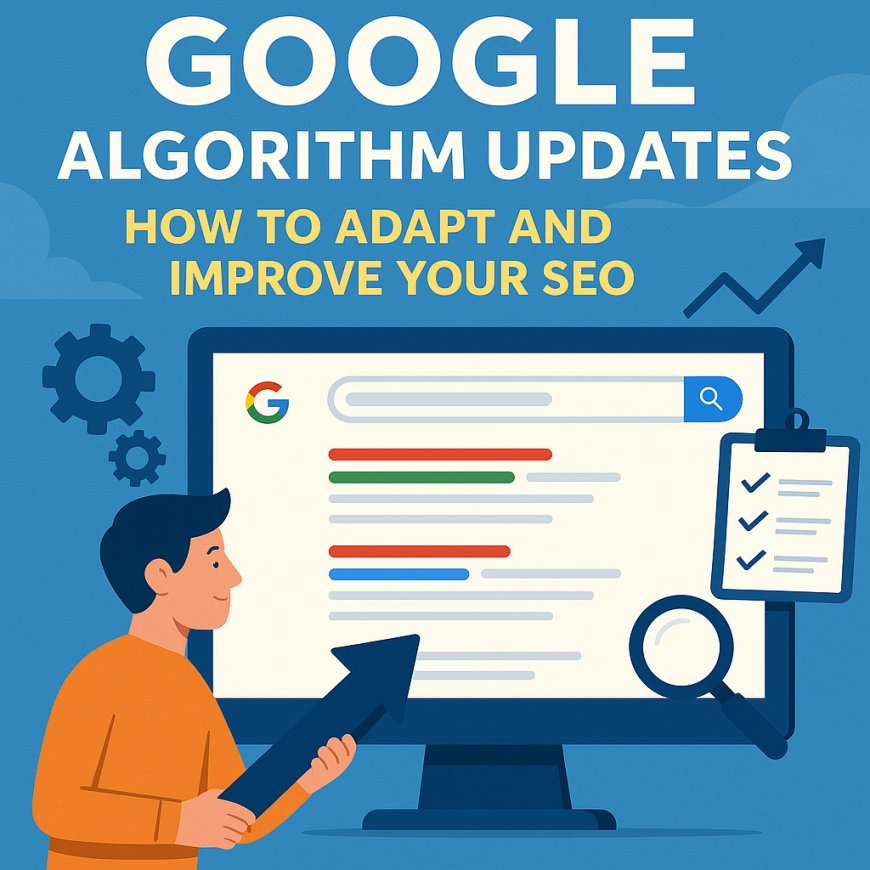
Google Algorithm Updates How to Adapt and Improve Your SEO
Stay ahead in SEO! Discover the latest Google algorithm updates and learn how to optimize your content, improve rankings, and avoid penalties with expert strategies.

Understanding Google's 2024 Algorithm Evolution and What It Means for You
The digital landscape is in constant flux, and at the heart of this ever-changing terrain lies Google's search algorithm. Like a master craftsman refining their tools, Google continuously updates its processes to ensure that when you type a query into that familiar search bar, the results you receive are not just relevant, but truly helpful and reflective of genuine quality. In 2024, we've witnessed significant shifts in how Google evaluates websites, impacting everything from search rankings to overall online visibility. Whether you're passionately sharing your thoughts as a blogger, diligently growing your business online, or navigating the complexities of digital marketing, grasping these algorithmic nuances is no longer optional – it's fundamental to thriving in the digital age.
This year has brought forth several pivotal updates from Google, each with its own set of implications for how we approach online content and SEO strategy. Let's delve into the core of these changes:
1. The Reign of Authenticity: The Helpful Content Update
Imagine searching for guidance and being met with shallow, repetitive articles or text that feels…artificial right? Google understands this frustration. The Helpful Content Update underscores a significant move towards prioritizing websites that offer genuinely insightful, meticulously researched, and human-centric content. The focus is firmly on value creation to the reader. Websites that lean heavily on recycled information perhaps spinning existing articles with minimal added value or those that prioritize clickbait headlines over substance are finding themselves increasingly marginalized in search results. This update champions depth, originality, and a clear demonstration that the content is crafted with the user's needs at its core.
We all have come to a frustration searching on the internet for a word that has multiple meaning or the new word heard from a foreign friend or an article read looking for answer online makes it a disgusting ton of results, millions of them google wants to put that to a thin result that can find proper answer directly.
2. The Intelligent Guardian: SpamBrain AI Enhancement
Think of SpamBrain as Google's ever-vigilant digital security guard. Powered by sophisticated artificial intelligence, this system has become remarkably adept at identifying and neutralizing manipulative SEO tactics. In 2025, SpamBrain's capabilities have been significantly enhanced, making it even more effective at spotting low-quality backlinks those links acquired through artificial means duplicate content that offers no unique value, and other "shady" SEO tricks designed to game the system. Attempting to manipulate search rankings through aggressive and unethical link-building strategies now carries a significantly higher risk of incurring serious penalties, potentially impacting your website's entire online presence.
You can find the complete guide from SpamBrai.com.
3. The Need for Speed and Responsiveness: Core Web Vitals Update
The experience users have on your website is paramount, and Google's Core Web Vitals update reinforces this. The latest iteration places a strong emphasis on Interaction to Next Paint (INP). This is a crucial new metric that goes beyond just how quickly a page loads; it measures how swiftly and smoothly your site responds to actual user actions clicks, taps, and keyboard interactions. A sluggish website, one that feels unresponsive and frustrating to navigate, is now more likely to see a decline in search rankings. Optimizing for speed and seamless interaction is no longer just a technical nicety; it's a fundamental aspect of SEO.
4. The Power of Real-World Insight: EEAT (Experience, Expertise, Authority, Trustworthiness)
Imagine seeking advice on a complex topic wouldn't you value the perspective of someone who has firsthand experience and deep knowledge? Google is increasingly reflecting this real-world dynamic in its rankings through the concept of EEAT. This goes beyond traditional "expertise" to include "experience" the practical, lived knowledge that comes from doing. Content that demonstrates firsthand experience, genuine expertise, recognized authority within the field, and overall trustworthiness is gaining significant weight in search results. Websites that consistently publish content driven by individuals with demonstrable experience are poised to gain greater visibility and achieve higher rankings. This update emphasizes the human element and the value of authentic, informed perspectives.
Adapting to the Evolving Algorithm: Practical Strategies for Success
Understanding these updates is just the first step. The real key lies in adapting your strategies to align with Google's evolving priorities. Here's how you can navigate these changes effectively:
1. Champion Human-First Content Rooted in Reality
The cornerstone of any successful SEO strategy in 2024 is the creation of high-quality, people-first content that resonates with genuine human experiences.
Strive to offer fresh perspectives, unique analyses, and content that goes beyond simply repeating existing information. Dig deeper, conduct your own research, and bring your unique voice to the topic.
Weave in Real-World Connections: Support your points with tangible real-world examples, relevant case studies, and, where appropriate, your own personal experiences. This adds a layer of authenticity and relatability that AI-generated content often lacks.
Say No to Low-Quality Keyword Stuffing and Meaningless AI: Resist the temptation to cram keywords unnaturally into your text or rely on AI to generate articles that lack genuine value, depth, and a human touch. Focus on creating content that truly serves your audience's needs.
Link to a relevant tutorial or guide on conducting effective keyword research that prioritizes user intent over sheer volume.
2. Prioritize a Seamless User Journey (Optimize Core Web Vitals)
A fast, responsive, and user-friendly website is no longer a luxury – it's a necessity for strong search performance.
Boost Page Loading Speed: Implement strategies like compressing images without sacrificing quality and leveraging a Content Delivery Network (CDN) to distribute your content efficiently.
Embrace Mobile-Friendliness: Ensure your website design is fully responsive, adapting seamlessly to various screen sizes and devices. A positive mobile experience is crucial.
Streamline Interactions: Minimize unnecessary scripts and code that can slow down your website's responsiveness to user actions. Aim for smooth and immediate feedback when users interact with your site.
3. Embody EEAT Principles to Cultivate Trust and Authority
Building trust and demonstrating expertise are crucial for long-term SEO success.
Showcase Your Credentials: If you are the author, make your expertise and experience clear. Include a professional bio, links to your LinkedIn profile or other relevant professional pages, and highlight any relevant qualifications or achievements. If you have multiple authors, ensure each has a clear and credible profile.
Earn Authoritative Backlinks: Focus on acquiring backlinks (links from other websites to yours) from reputable and trustworthy sources within your industry. These act as endorsements and significantly boost your credibility in Google's eyes.
Maintain Content Freshness: Regularly review and update your older content with fresh insights, the latest data, and current information. This demonstrates that your website is a living, valuable resource.
4. Steer Clear of Manipulative SEO Tactics
Ethical and sustainable SEO practices are the only way to build long-term success.
Say Goodbye to Link Buying and PBNs: Avoid the temptation to purchase backlinks or participate in private blog networks (PBNs). These tactics are easily detected by SpamBrain and can lead to severe penalties.
Address Toxic Backlinks: Regularly audit your backlink profile and use Google's Disavow Tool to disassociate your website from any low-quality or spammy backlinks that could harm your reputation.
Craft Natural Meta Descriptions: Write compelling and relevant meta descriptions that accurately summarize your page content, rather than simply stuffing them with keywords. Focus on encouraging clicks from genuine users.
Disavows links explained.
5. Stay Informed and Vigilantly Monitor Your Performance
The SEO landscape is constantly evolving, so continuous learning and monitoring are essential.
Regularly Analyze Your Data: Make it a habit to check Google Search Console and Google Analytics for any significant fluctuations in traffic, impressions, and keyword rankings. This data can provide valuable insights into the impact of algorithm updates and your optimization efforts.
Follow Official Google Channels: Stay informed about the latest algorithm updates and best practices by regularly following the Google Search Central Blog and other official Google communication channels.
Utilize Professional SEO Tools: Invest in and learn how to use reputable SEO tools like Ahrefs, SEMrush, or Moz to track your rankings, analyze your backlink profile, and identify areas for improvement.
Link to the Google Search Central Blog
Final Thoughts: Embracing Evolution for Enduring Success
Ultimately, Google's latest algorithm updates signal a clear direction: a greater emphasis on rewarding websites that prioritize creating valuable, user-centric content, fostering positive user experiences, and building genuine trust and authority. By focusing on these core principles and adopting ethical SEO practices, you can not only navigate the current landscape effectively but also build a resilient online presence that thrives in the long run. Embrace these changes strategically, always keeping your audience's needs at the forefront of your efforts, and you'll be well-positioned to achieve sustainable growth and meaningful engagement.
What's Your Reaction?